
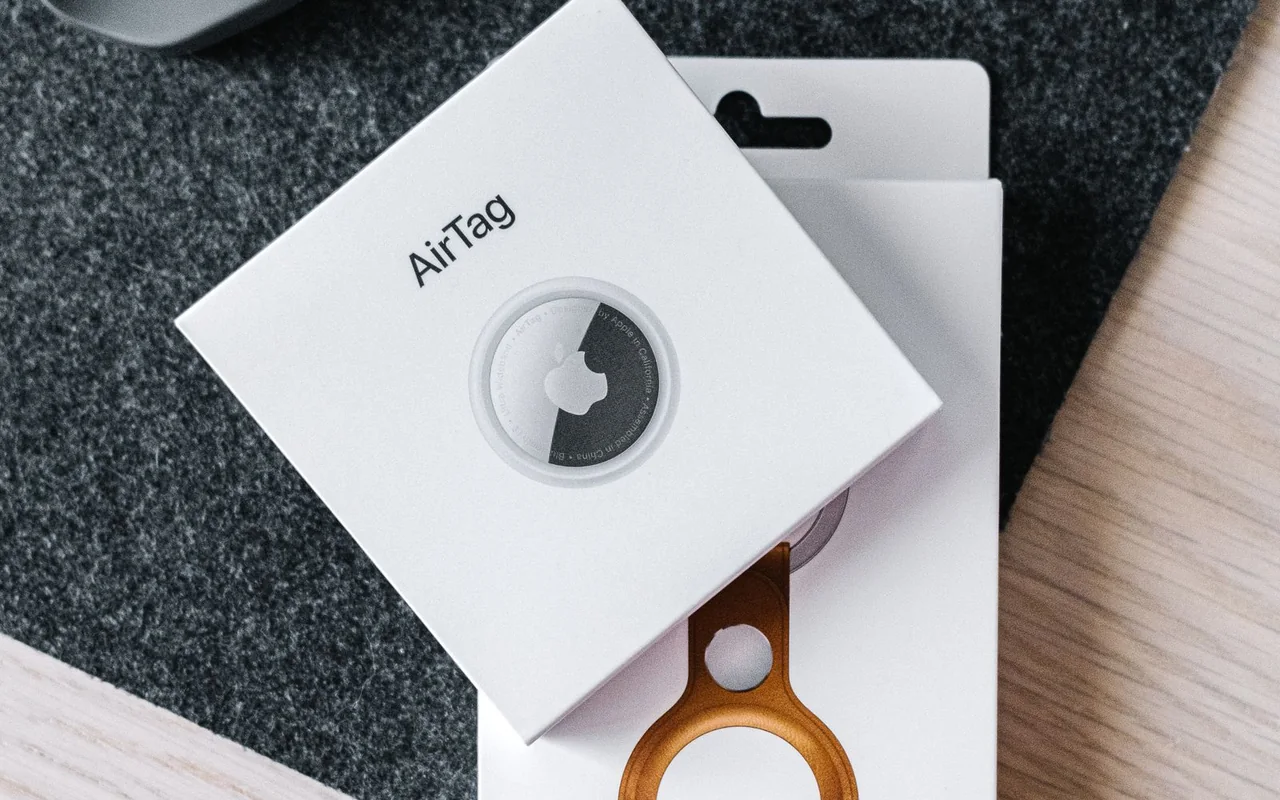
How to Share an Item Tracker Without Sharing a Person’s Location
Agree on the object, access, alert expectations and removal process before a group uses a shared tracker.
Search all 40 articles in the Gnlrw Flux edition.
40 stories
Agree on the object, access, alert expectations and removal process before a group uses a shared tracker.

Check enrollment, unlock status, parts and return terms before moving your own account to a refurbished device.

Pick a predictable switching point for video, input, audio and shared accessories.

Build a small retrieval kit with a file map, a compatible reader and a tested restore path.
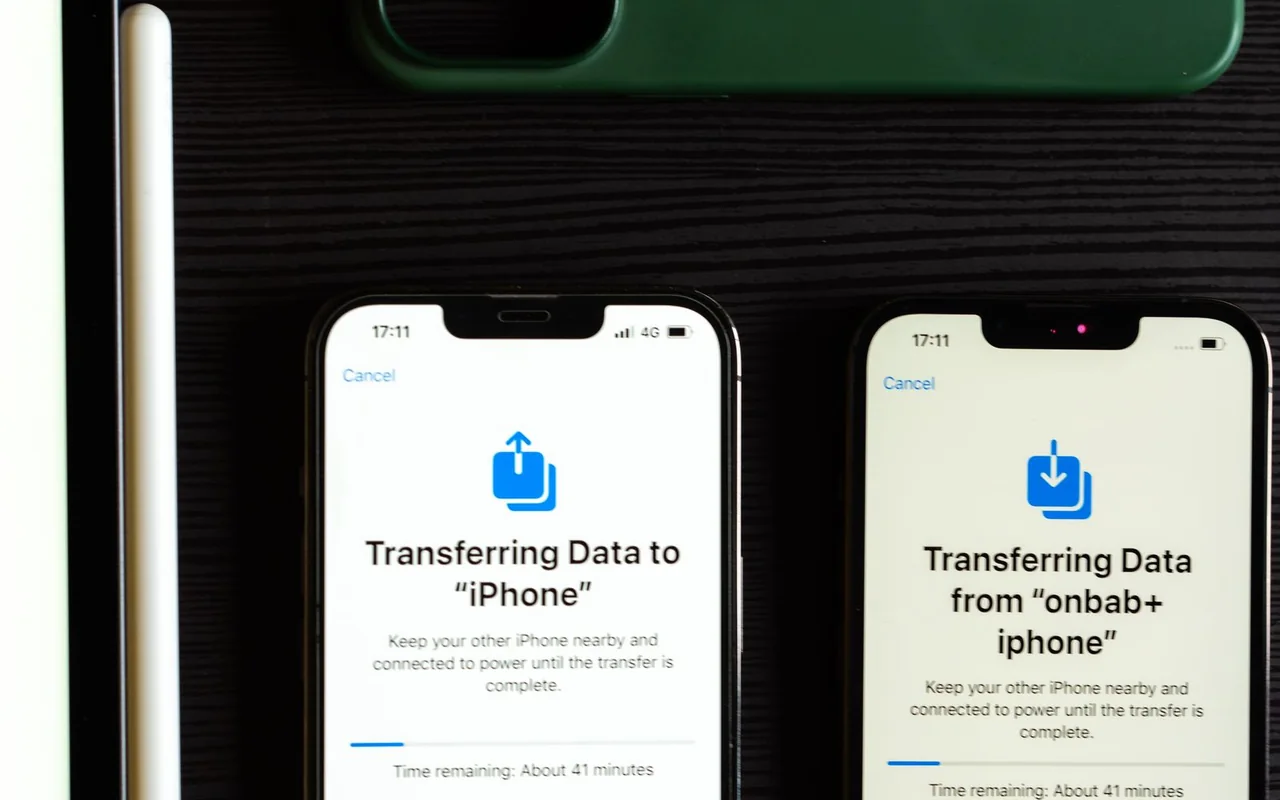
Inventory methods and keep the old device available through a verified account-by-account migration.

Define ownership and recovery before using a shared mailbox for a small team or household project.

Hand off documented equipment while removing account ties and preserving normal physical controls.

Map recording, access and deletion before deciding whether local storage fits a household entrance.

Align state of charge, temperature, time and measurement point before comparing two sessions.
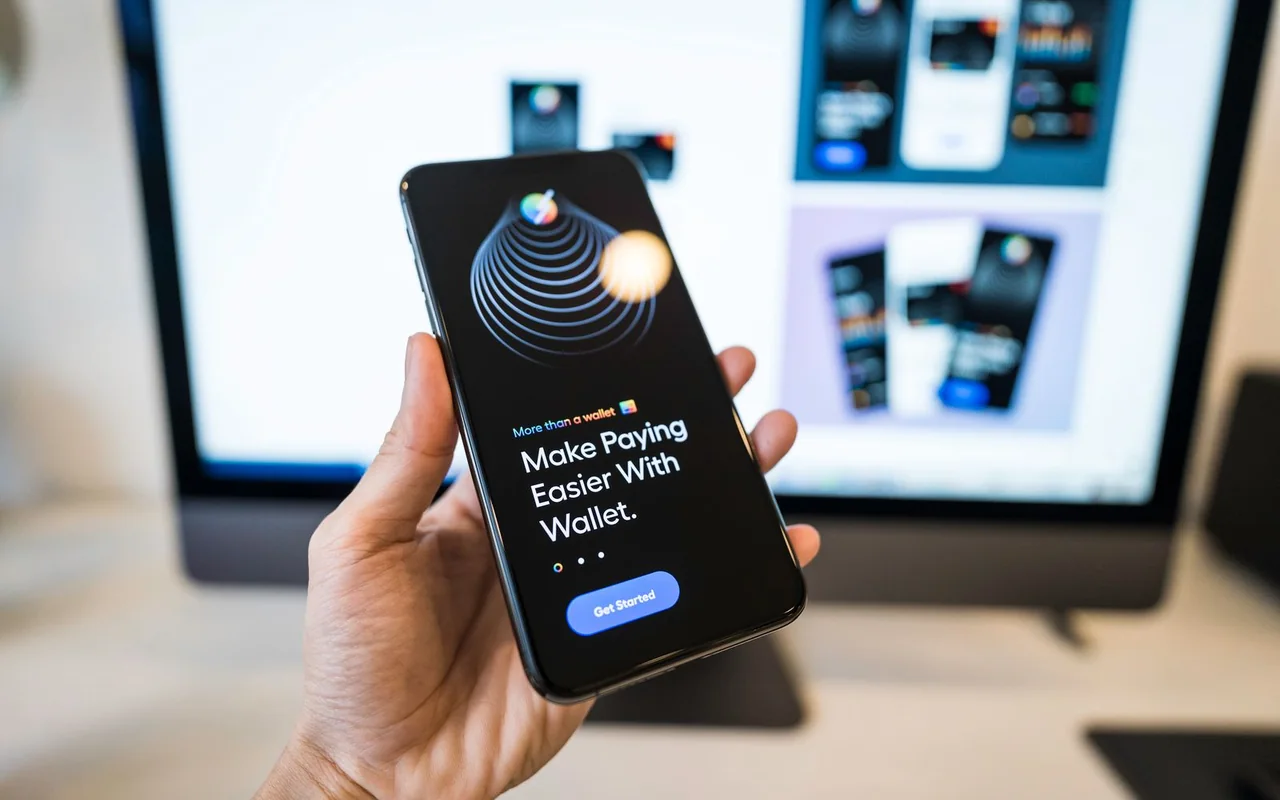
Separate a provider’s supported credential transfer paths from the account fallback you already control.
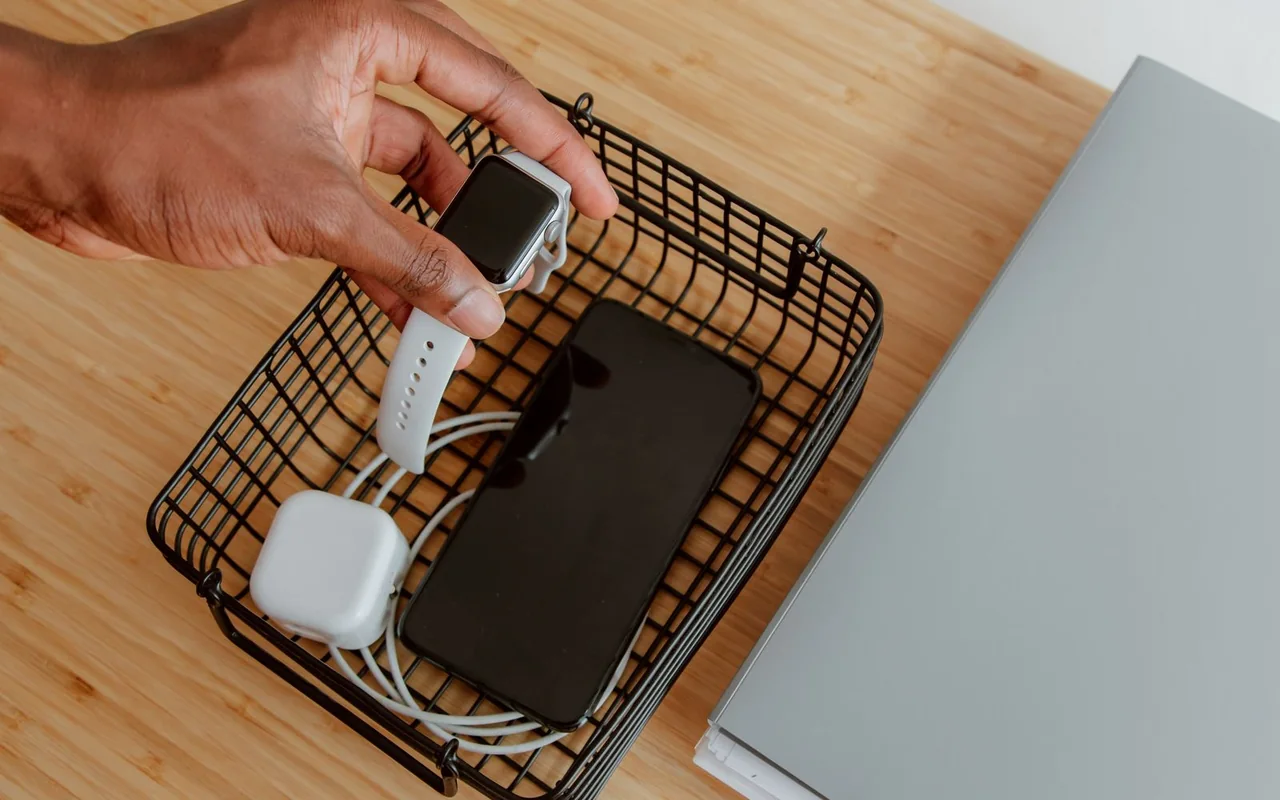
Protect the watch time you use by placing short charging breaks around routines you already have.

An exported notebook should preserve meaning, layout and enough context for later retrieval.
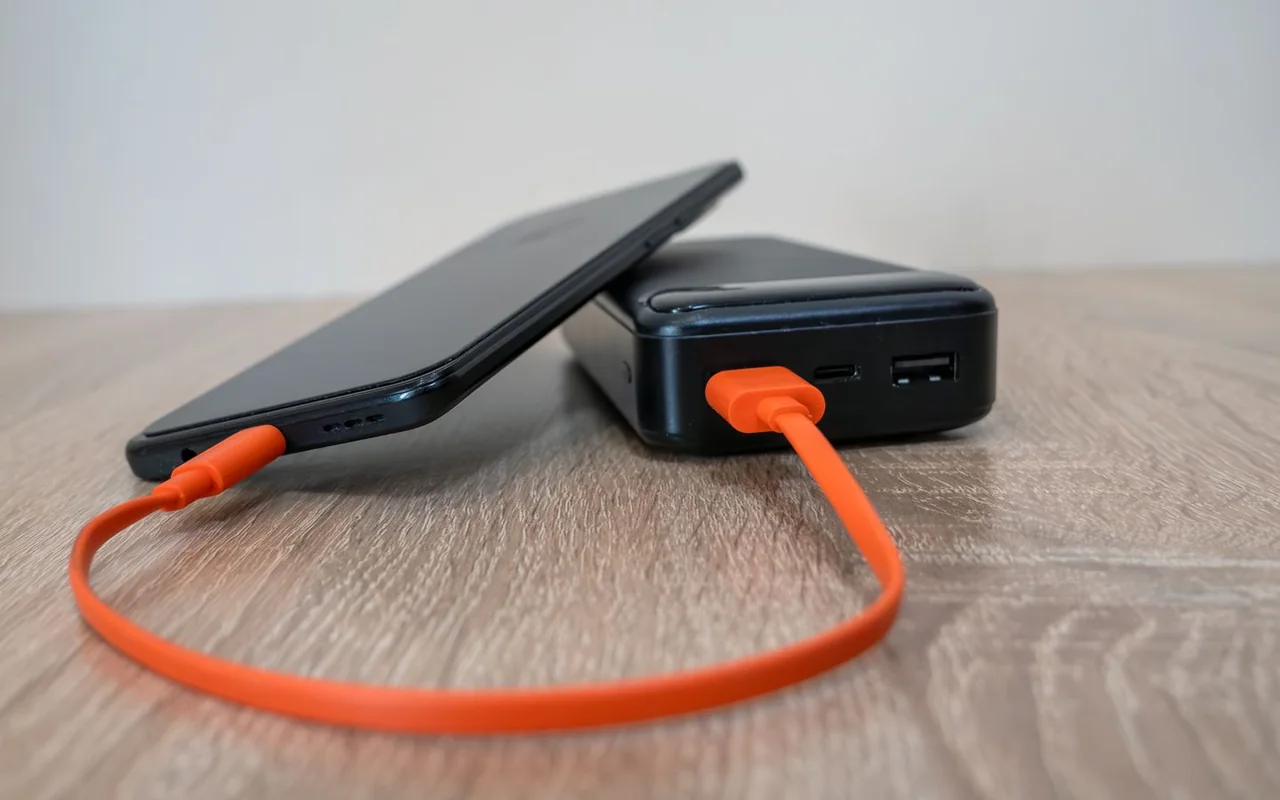
Separate watt-hours, port limits, cable capability and the battery capacity a phone can actually use.

Use card ratings, representative clips and camera warnings to diagnose a recording that ends early.

Google’s November 2026 Pixel Tag brings together a network sighting and nearby directional finding. Each answers a different question.

Read blur, noise and detail separately when a phone switches cameras or crops its main sensor.

Build a short command inventory and place the actions that matter where your hands can reach them.
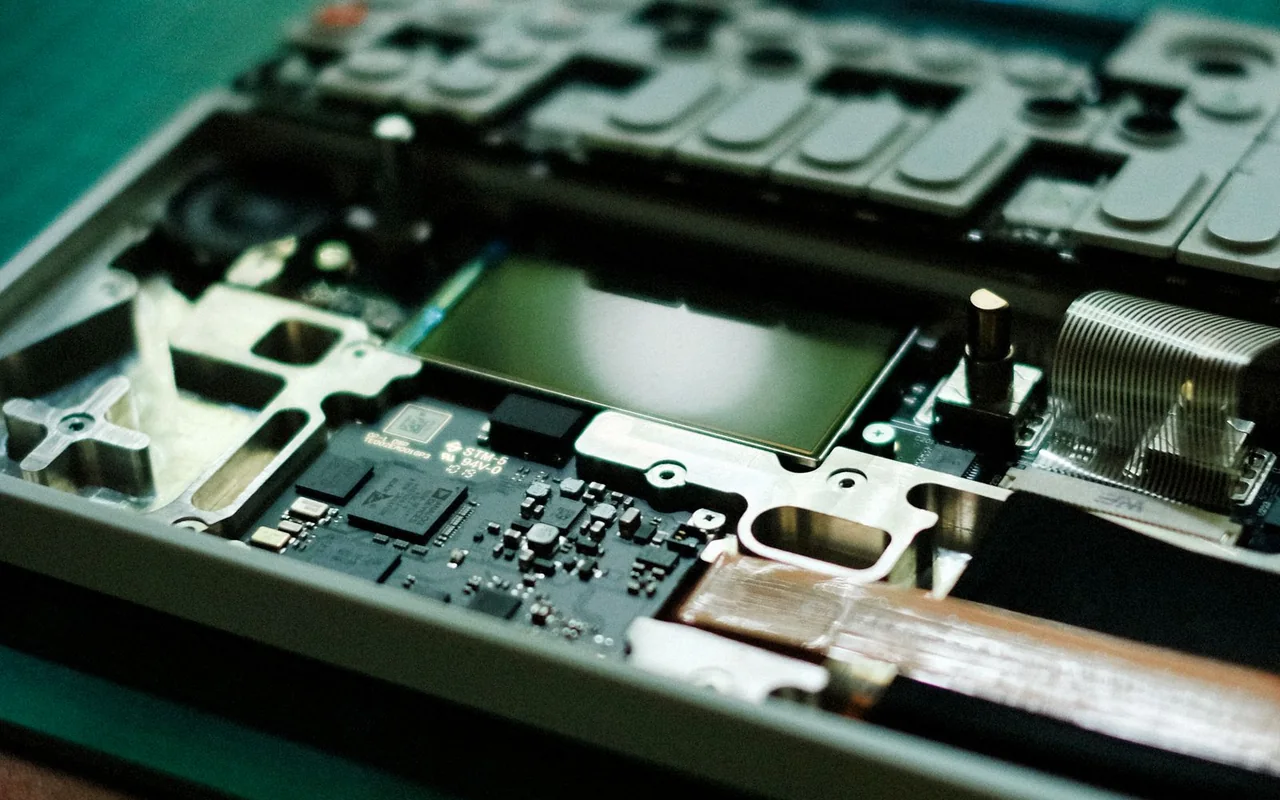
Check access, connectors, cooling and documentation before buying a small desktop you plan to keep.

Choose a readable workspace by separating physical size, pixel density and application zoom.

Link lighter editing copies to the originals while keeping timecode, audio and final output intact.
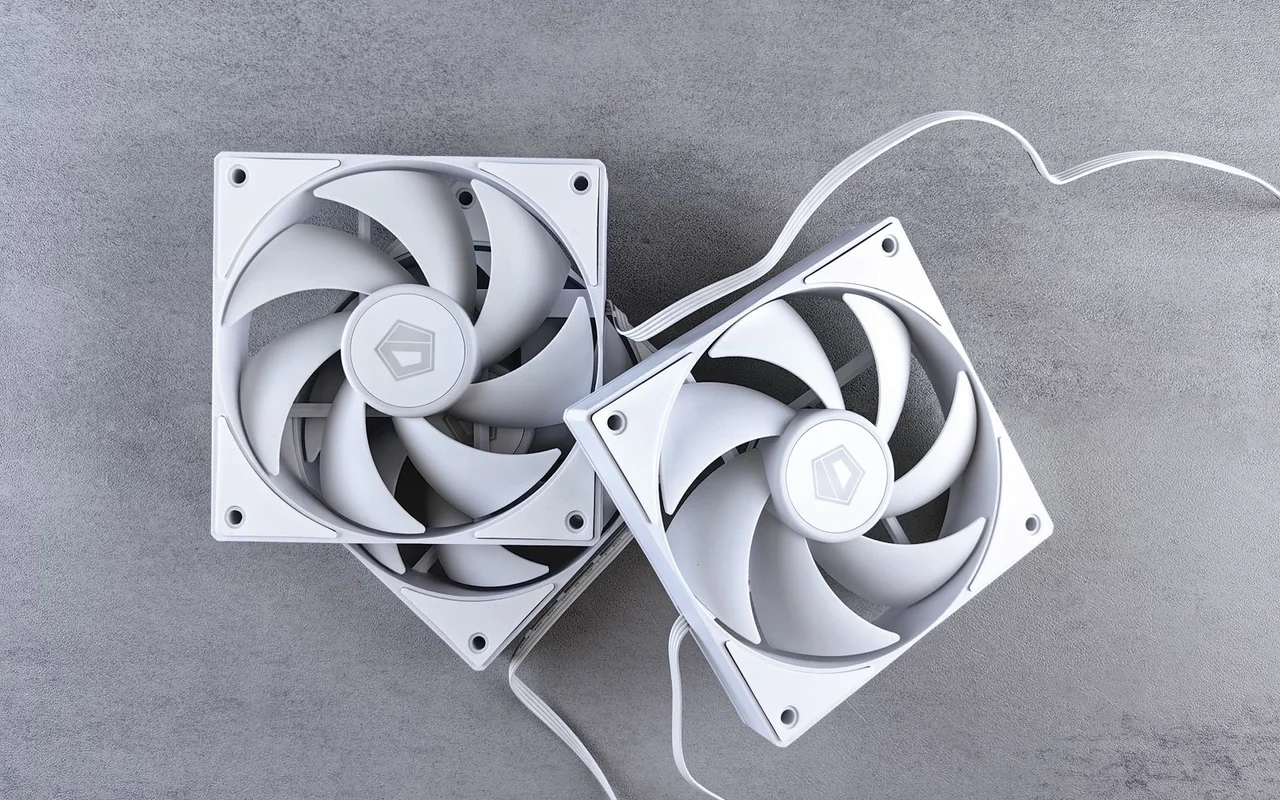
Separate a cooling adjustment from a vibration, GPU fan or changing background workload.
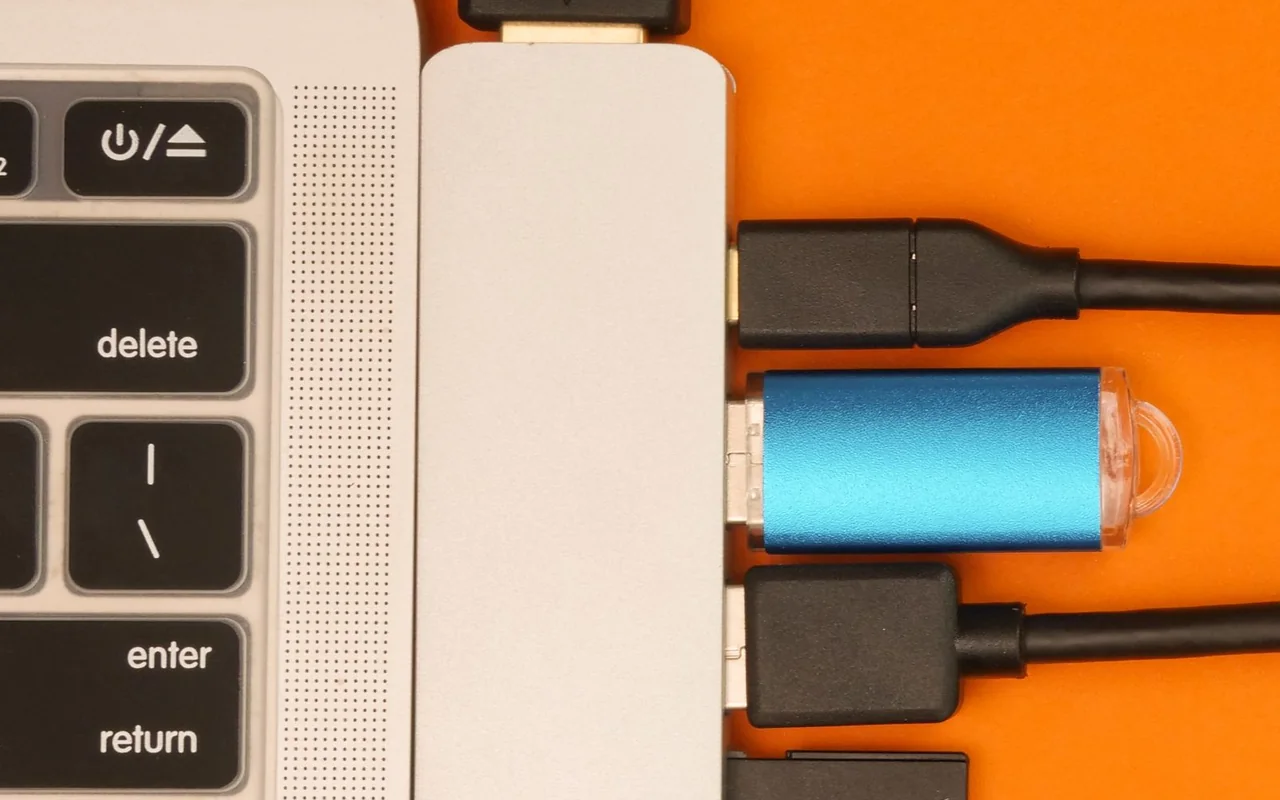
Trace the signal from laptop port through dock and cable to each display input.
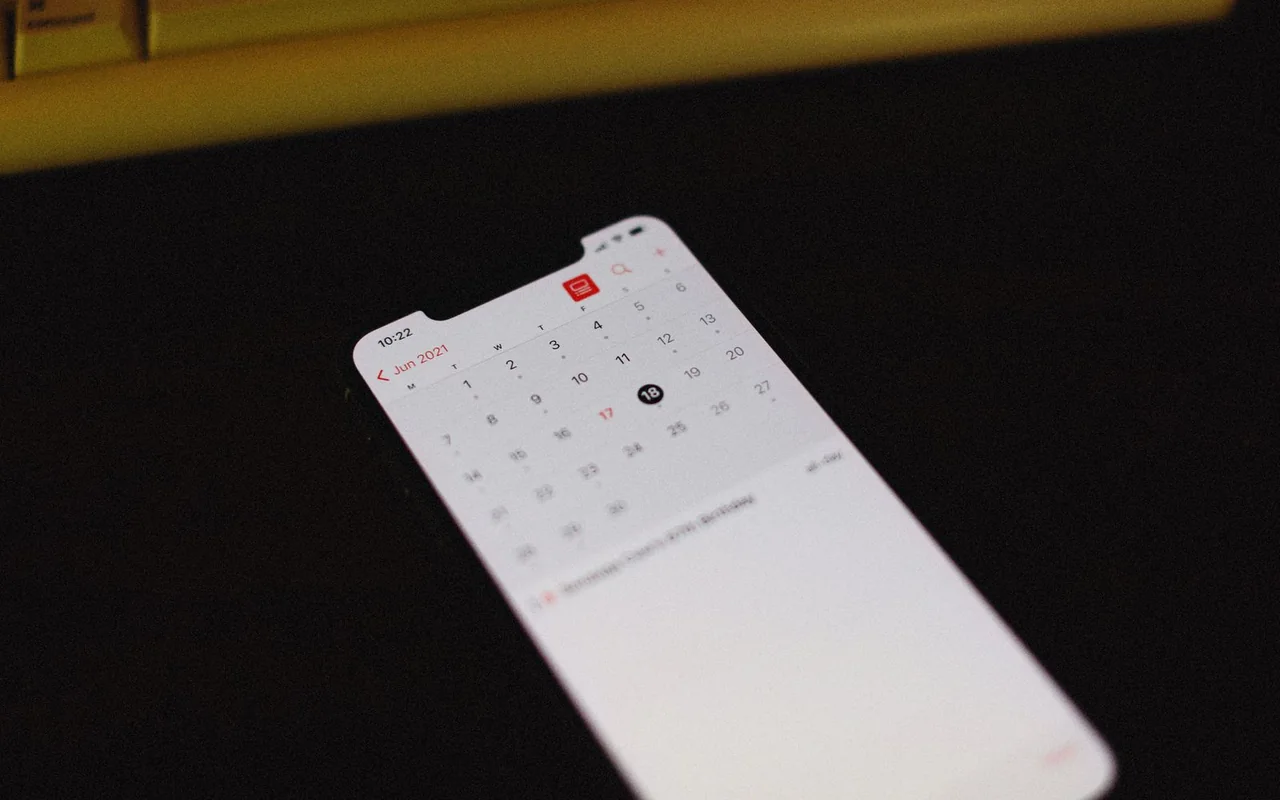
Work in the organizer’s time zone and check future dates where two regions change clocks on different weekends.

Check text selection, reading order and headings with the same export your readers will receive.

Use a throwaway note to inspect conflict behavior and keep a recoverable copy before a real merge.
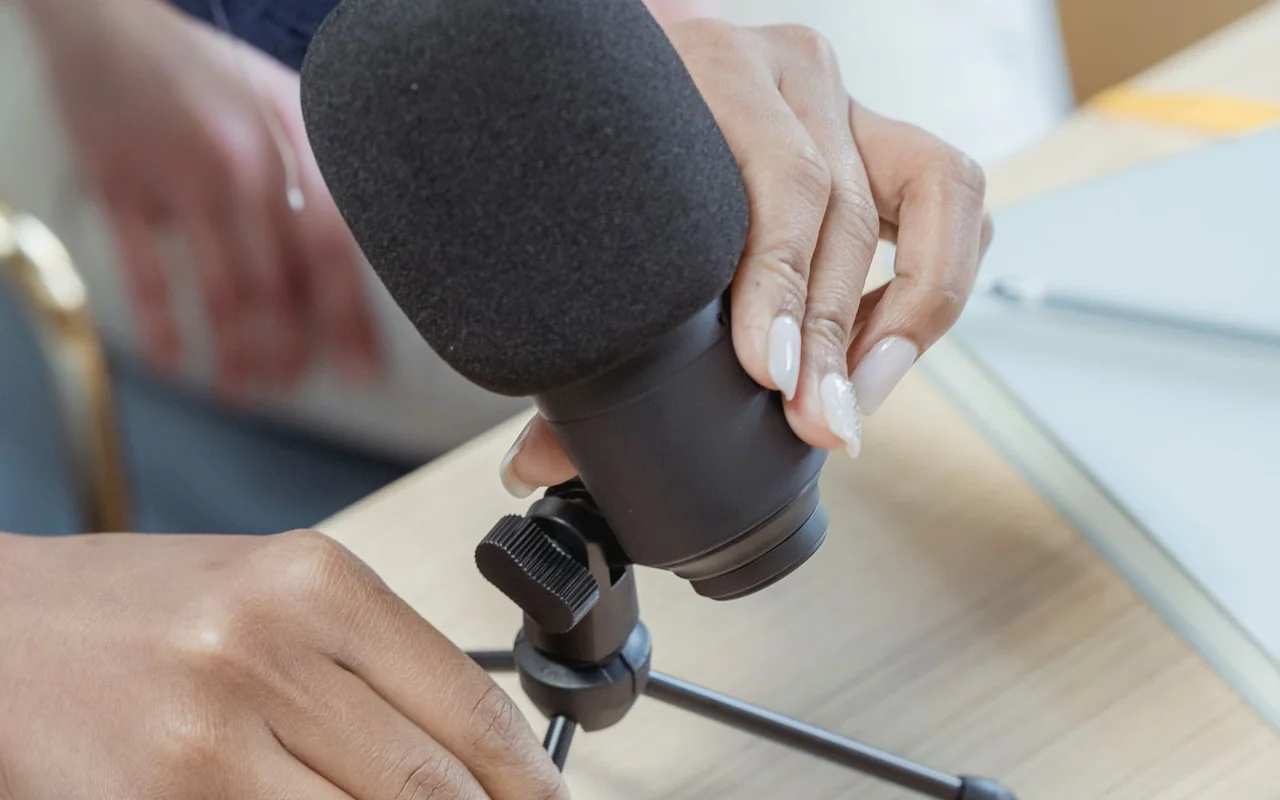
Names, numbers and corrections tell you more about speech-to-text reliability than a tidy demo.
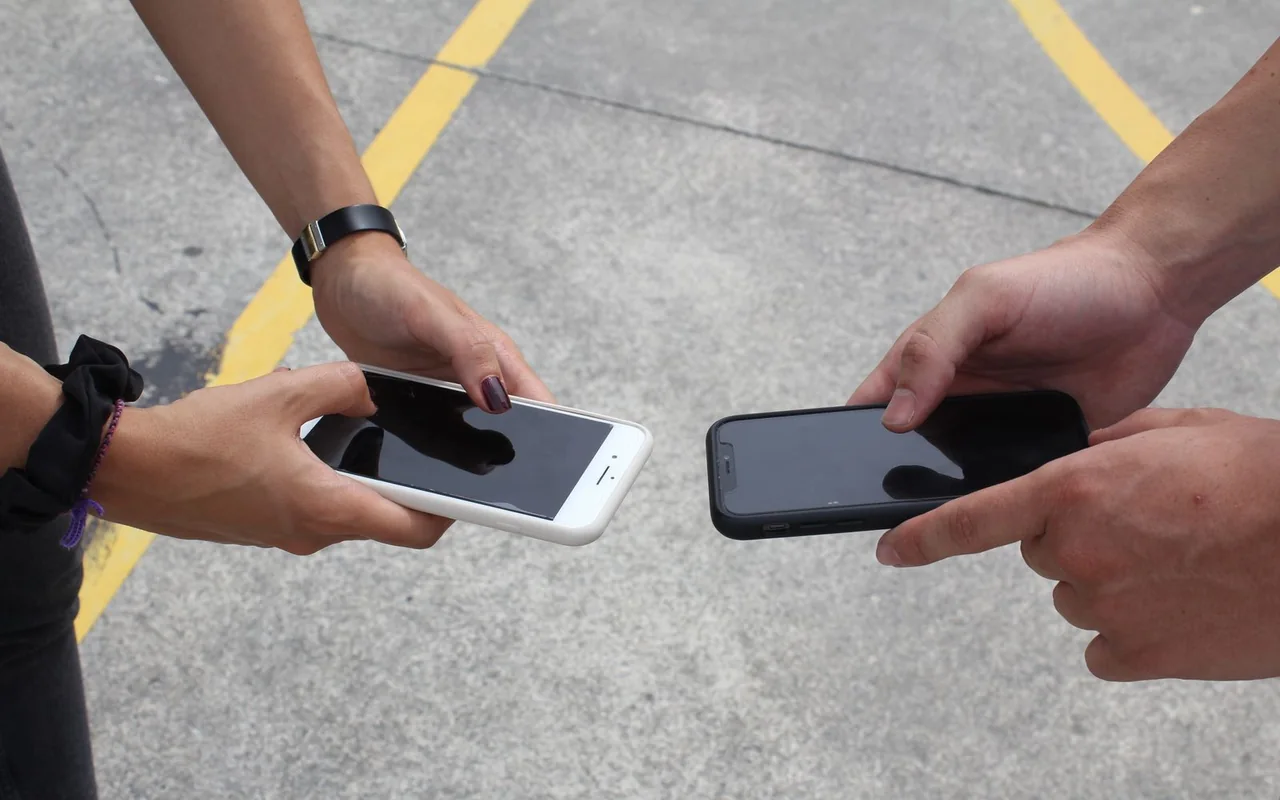
The 2026 rollout is worth checking conversation by conversation, especially after a group or network changes.
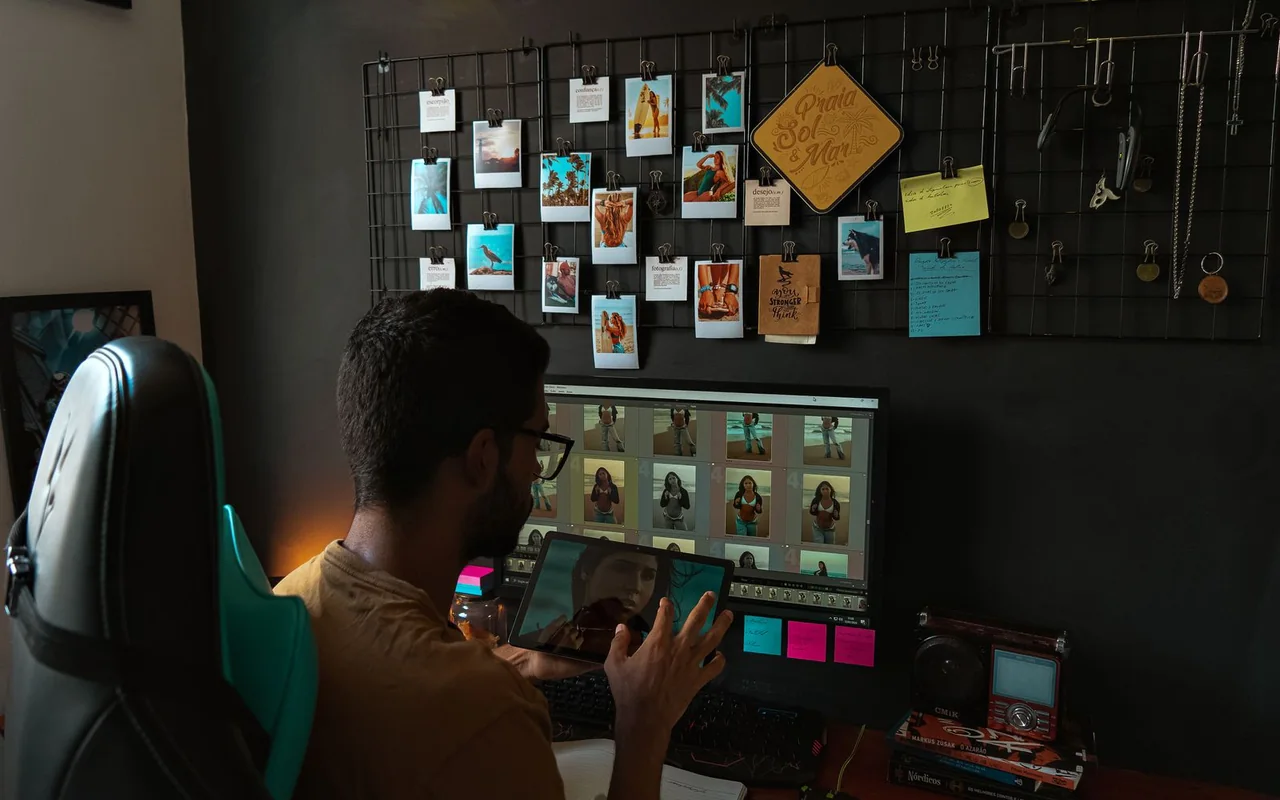
Keep originals, stable dates and portable descriptions together when exporting a small test library.

Find whether the lag comes from grouped playback, a television input or a weak wireless link.

Wake-up time, motion detection and pre-event recording determine what a notification can show.

Use a safe outage rehearsal to separate home network control, platform automation and cloud features.
Check address changes, local discovery and power states before reinstalling the driver.

An early gateway announcement puts the focus on reliability. A home network test starts where a connection actually fails.

A magnetic contact sensor depends on gap, material, alignment and the behavior of the door itself.

Judge text from a normal seated position and account for fit, motion and contrast before using it as a monitor.

Separate an outlet on the vehicle from a supported whole-home system and map the loads you expect it to carry.

A compatible broadcast, receiver and access method all matter in a shared listening setup.

Plan a brief message, a clear outdoor location and an offline fallback before testing a device’s supported feature.

Use the 2026 specification to interpret device sharing, commissioning and ecosystem-specific features.

Test retrieval, accuracy and memory use with a constrained document job before reaching for a larger model.